Packing Smart Snacks for the Day: Pre-Wrapped vs. Homemade Options
When you are trying to eat well during a busy day, the snacks you choose can make a real difference. You might grab a small package from a store shelf or put together a box of treats from your own kitchen. Both approaches have their merits, and the right choice often depends on your routine, your goals, and the kind of hunger you are trying to satisfy. Understanding how each option works can help you make a better decision for your own habits.
What Makes a Snack Convenient?
Convenience is more than just speed. It also involves how easy a snack is to carry, how long it stays fresh, and whether you can eat it without making a mess. Pre-packaged snacks are designed for this. They come in sealed wrappers that fit into a backpack, a desk drawer, or a lunch bag without any extra preparation. You open the package and eat. There is no need to wash containers or worry about spills.
Homemade snack boxes require a bit more effort upfront. You select ingredients, portion them out, and pack them in reusable containers. This can take a few extra minutes in the morning, but it gives you full control over what goes into each serving. For someone who likes to plan ahead, this small investment of time can feel satisfying.
Portion Control and Serving Sizes
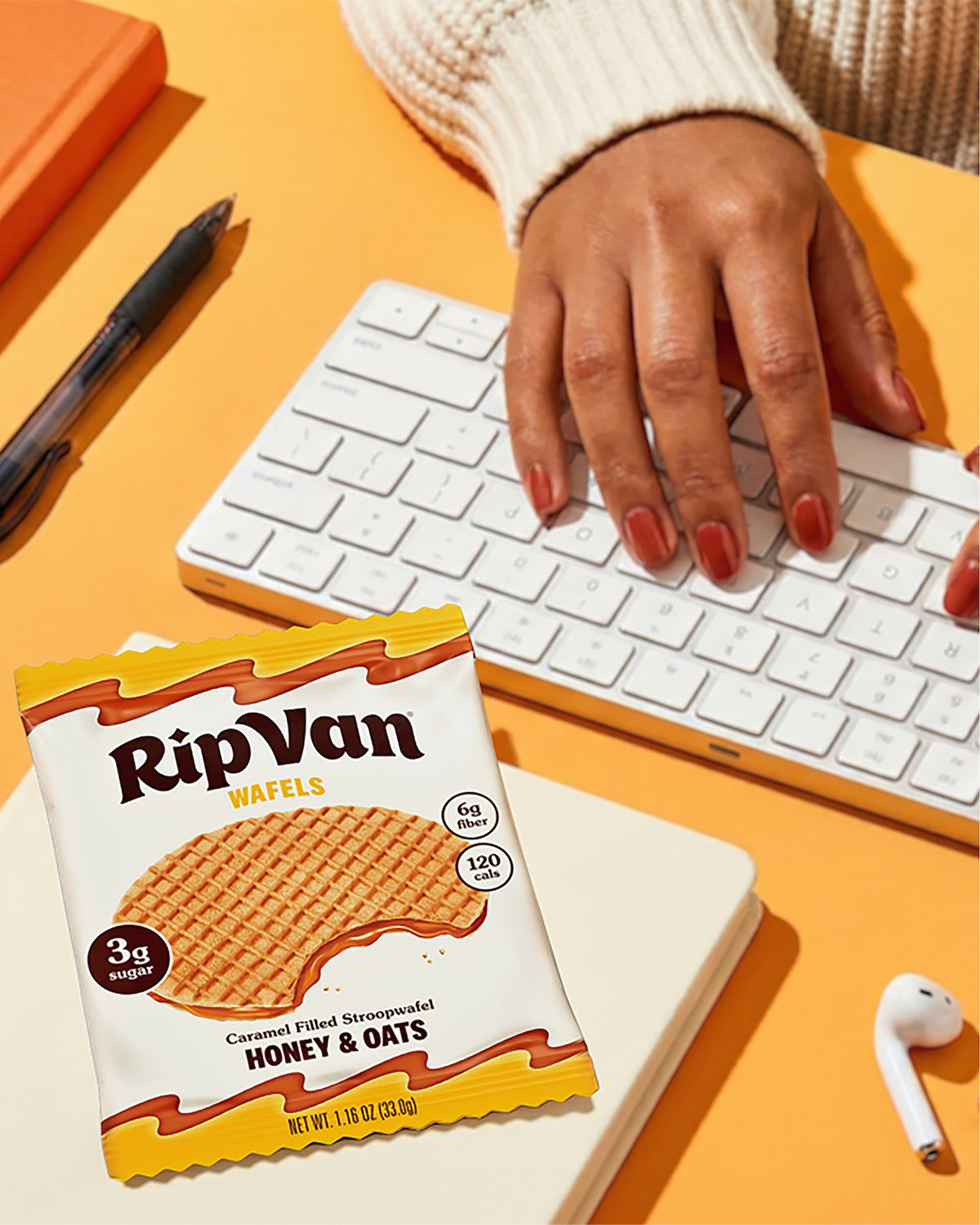
One of the strongest points of pre-packaged snacks is that the portion size is already decided. You do not have to guess how much to eat. The package tells you exactly what you are getting, which can help with managing between-meal hunger without overdoing it. This can be especially helpful if you are watching your calorie intake or trying to keep your blood sugar steady throughout the day.
With homemade snack boxes, portion control is up to you. You decide how many nuts, how many crackers, or how much fruit goes into each compartment. This flexibility can be useful if you know your own appetite well. On the other hand, it can also lead to larger portions if you are not careful. The key is to measure out your snacks at the same time each day, so you build a consistent habit.
Shelf Stability and Freshness
Pre-packaged snacks are usually made to last. Their packaging protects them from air, moisture, and light, which means they can sit in a pantry or a car for weeks without going stale. This makes them a reliable choice for a road trip or for keeping in a desk drawer as a backup option. You never have to worry about them spoiling if you forget to eat them for a few days.
Homemade snacks, by contrast, have a shorter life. Fresh fruit, cut vegetables, or homemade baked goods will start to lose quality after a few hours. They may need refrigeration or careful packing to stay appealing. This does not mean they are a bad choice, but it does mean you need to plan your eating schedule around their freshness. If you are someone who eats snacks soon after packing them, this is rarely an issue.
Packaging Waste and Environmental Impact
The packaging that makes pre-packaged snacks so convenient also creates waste. Each wrapper is typically designed for single use, and unless you recycle it properly, it ends up in a landfill. Over time, the amount of waste from individually wrapped snacks can add up, especially if you eat several each day.
Homemade snack boxes let you avoid this waste almost entirely. You use reusable containers, wash them, and use them again. If you are trying to reduce your environmental footprint, this can be a meaningful change. Some people find that the act of packing their own snacks also makes them more mindful about what they eat, since they handle each ingredient directly.
Nutritional Control and Ingredients
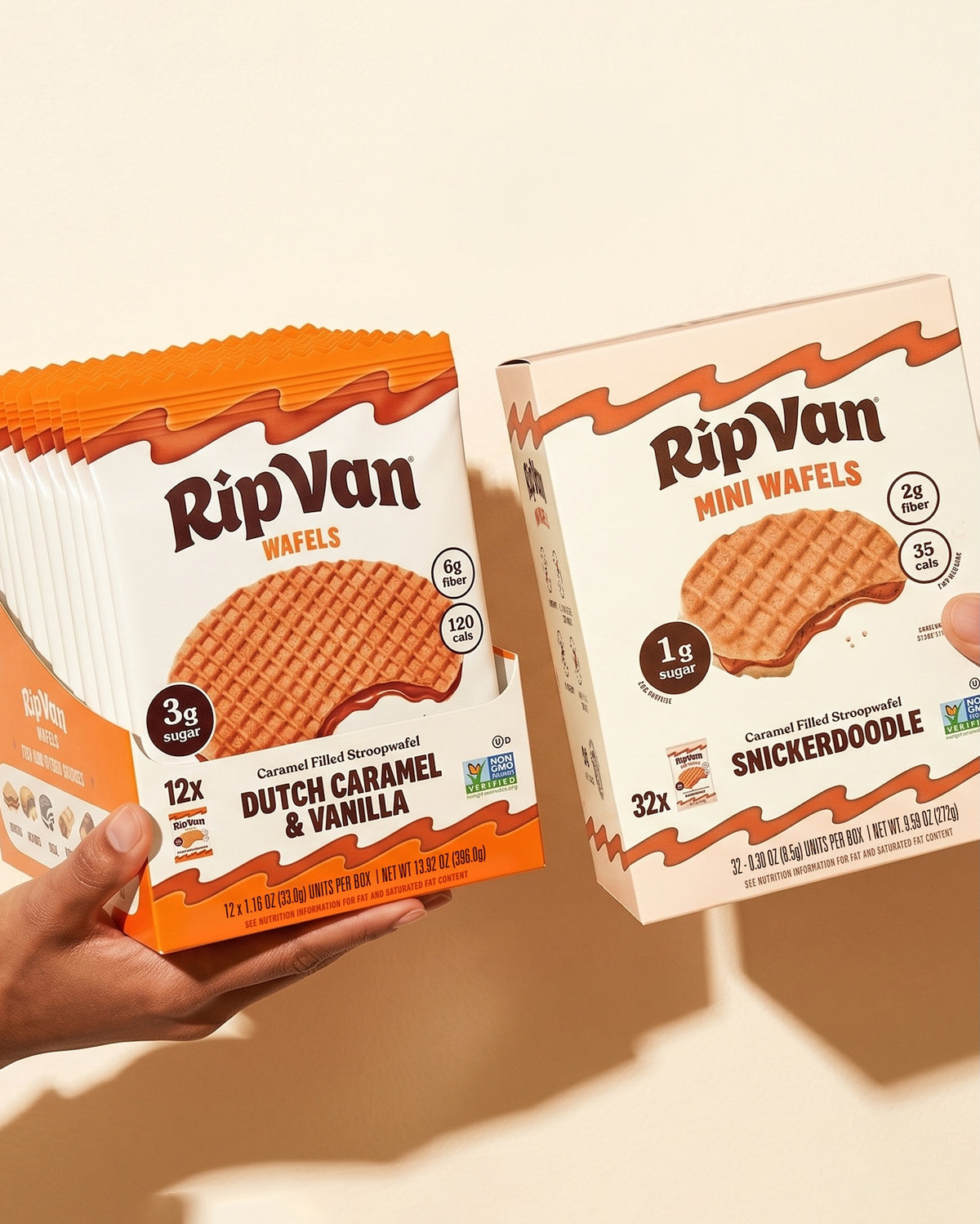
Pre-packaged snacks vary widely in their nutritional content. Some are designed to be low in sugar or high in fiber, while others are more indulgent. The ingredient list is printed on the package, so you can check it before you buy. If you have specific dietary needs or preferences, you can look for snacks that match them. For example, a snack that offers added fiber and a chewy center might be a good fit for someone who wants a filling treat without a sugar spike.
With homemade snack boxes, you are the one who decides the ingredients. You can choose whole foods, control the amount of sugar or salt, and avoid any additives you do not want. This level of control is hard to beat if you are following a specific diet or trying to eat more whole foods. The trade-off is that you need to spend time shopping and preparing, and you may not always have the variety that a store shelf offers.
When Each Option Suits You Best
There is no single right answer. The best approach depends on your day. If you are heading out for a long hike, a road trip, or a day at the office where you will not have time to prepare, pre-packaged options are hard to beat. They are ready to go, they fit easily into a backpack, and they will not go bad if you do not eat them right away. For these situations, having a stash of individually wrapped snacks can save you from relying on vending machines or skipping a meal entirely.
On days when you are working from home or have a few minutes in the morning, a homemade snack box can be a better choice. You can pack exactly what you feel like eating, and you avoid the waste and extra cost of single-use packaging. For someone who enjoys cooking or likes to experiment with different combinations, this can also make eating feel more intentional and satisfying.
Balancing Both Approaches
Many people find that a mix of both strategies works well. They keep a few pre-packaged snacks in their bag or car for emergencies, while also preparing homemade snack boxes when they have time. This way, they are never caught without something to eat, but they are not relying on packaged food every day.
If you are new to packing your own snacks, start small. Pick one or two days a week to make a homemade box. See how it feels and whether you actually eat what you packed. Over time, you can adjust the portions and the ingredients until you find a routine that feels natural. The goal is to make snacking work for you, not to add another chore to your day.
In the end, the choice between pre-packaged and homemade snacks comes down to your personal priorities. If convenience and shelf stability matter most, pre-packaged options are a solid choice. If you value control over ingredients and want to reduce waste, homemade boxes are worth the extra effort. Most people will find a place for both in their lives, and that balance is what makes a snacking routine sustainable.